The History of Online Blackjack and How It Shapes Choice
Jane Corrie has spent more than forty years moving across four regions, working the felt as a dealer, training new hands, managing the pit, and running shift operations. That background shapes how I judge any digital card table today. When I look at the history of online blackjack, I do not see a straight line from a physical shoe to a browser window. I see a long, practical evolution of rules, interfaces, and player expectations. An Australian player sitting in Brisbane on a quiet arvo wants the same clarity a pit boss once demanded at a live table: honest rules, readable layout, and no surprises when the cards land. This article walks through that history with a review focus on interface, localisation, and everyday usability, then maps two player-fit scenarios so you can see where a site actually fits your habits.
How the Digital Shoe First Took Shape
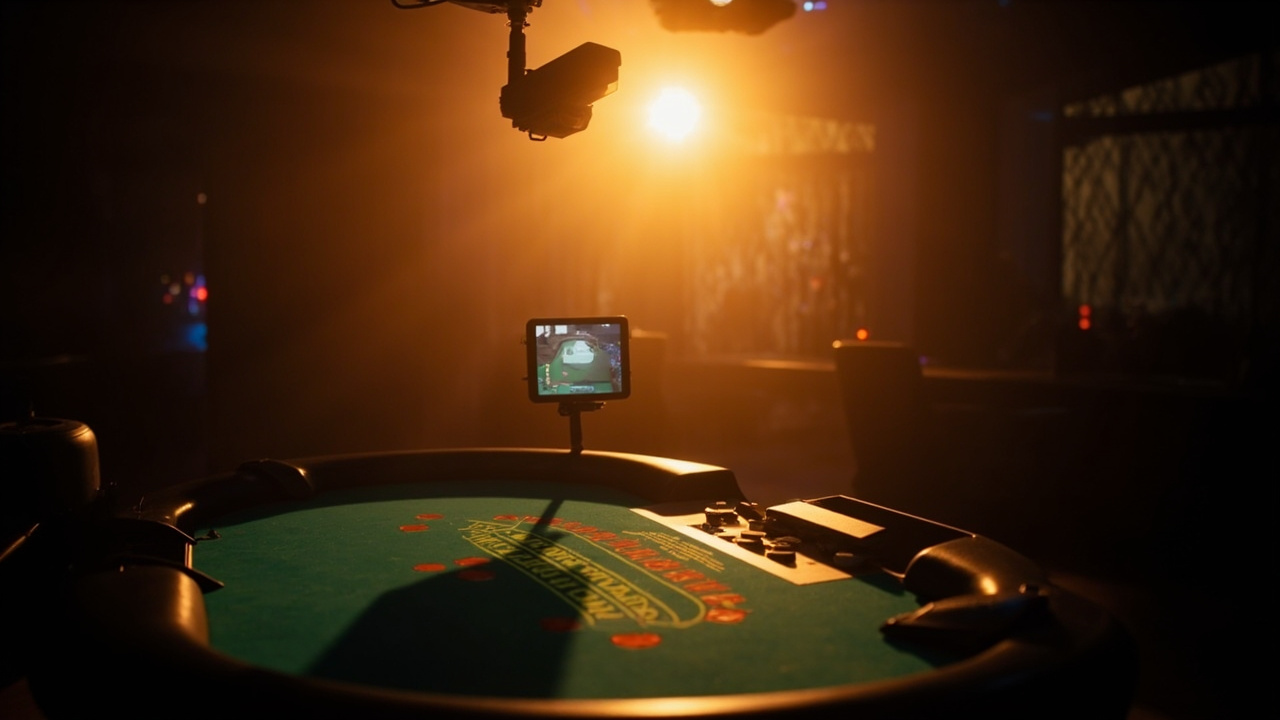
The story of online blackjack history starts with simple networked tables in the late nineties, when software could barely handle a slow shuffle and a static card graphic. Early operators built rooms that mimicked a live floor, but the translation was rough. Buttons sat where chips should have been, hand history vanished after each round, and localisation was an afterthought. A player in Brisbane would often see a United States layout, a foreign currency toggle, and rule wording that assumed a different market. The real shift came when providers treated the screen as a working table, not a picture of one. Navigation moved to predictable menus, bet sizing became visible at a glance, and language and currency were set closer to the player’s postcode. That change matters because history is not just about when something appeared; it is about how usability matured around the same time. A table that remembers your last stake, shows the rule set plainly, and keeps the shoe moving without clutter is the practical descendant of those early experiments. I have trained dealers to explain a rule once, clearly, and I have seen digital rooms repeat that lesson in layout. When the same rule appears in the same place every round, players spend less time guessing and more time playing.
| Era | What changed | What players noticed |
|---|---|---|
| Late nineties | Basic networked tables, static card graphics | Slow shuffle, hidden rule details, limited localisation |
| Early nineties | Menu-driven navigation, visible bet sizing | Easier pacing, clearer stake control |
| Late nineties to present | Localised language, currency, rule prompts | Fewer layout surprises, steadier session flow |
That progression is why I keep comparing a modern digital table to a well-run pit shift. A good floor does not hide the rules; it puts them where a player can check them without stopping the game. The same standard applies online, and it is the first thing I look for when I assess any site.
Testing Usability Like a Pit Boss
My own rule as a reviewer is simple: if I cannot explain the table to a new player in one quiet minute, the interface is doing too much work. I put that judgment call to use when I assess localisation and everyday usability, because history only matters if the present is usable. A site that carries its history well will show the rule set, the payout for a natural, and the currency in a place that does not force a reload or a hunt. For an Australian adult, that means English wording that reads naturally, a currency that matches the session you actually want to play, and search or filter tools that find a variant without clicking through every row. I have seen rooms where the same rule is worded three different ways across two pages, and I have run shifts where that kind of confusion cost time and trust. The lesson carries straight over. A practical table keeps the common actions close, keeps the rare actions findable, and never makes a player guess what happens after a split or a double. If you want to see how one operator handles that balance, you can check casoola casino online and judge the layout against your own habits rather than a marketing claim. The point is not to endorse a room; the point is to test whether the screen behaves like a table you could actually work on.
- Check the rule set before the first hand, not after a losing round.
- Confirm the currency and language sit where you expect them.
- Use the search or filter tools to find a variant without browsing every row. casoola casino online Herseyonuanlatiyor
- Watch whether bet sizing and hand history stay visible during play.
A usable table also respects pace. I have managed shifts where the room was busy as a lunch rush, and the difference between a smooth floor and a messy one was how quickly a player could see what mattered. Online, that same principle shows up in how fast a hand settles, how clearly a result reads, and whether the next round starts without forcing extra clicks. Those details are small until they are not, and they are exactly the kind of everyday usability that history eventually sorts out.
Two Player-Fit Scenarios
History gives us the tools, but player-fit decides whether they land. I usually think in two scenarios, because a single review lens misses how different sessions actually feel. The first scenario is the casual player who wants a short, readable session after work. This person cares about a clean layout, a rule set they can verify in seconds, and a pace that does not feel rushed or dragged. They do not need a crowded lobby; they need a table that opens, explains itself, and lets them leave without hunting for a logout or a balance check. The second scenario is the regular who plays often and cares about consistency across devices. This player wants the same rule wording on mobile and desktop, the same currency handling, and navigation that does not shuffle around between visits. I have trained new dealers to treat every shift the same way, because consistency is what makes a floor trustworthy. Online, that consistency is the difference between a room you return to and a room you abandon after one confusing session. The history of online blackjack shows that the rooms which survived were the ones that stopped pretending to be a novelty and started behaving like a dependable table.

One operator I reviewed kept its rule prompts in the same place on every variant, and that single choice saved a lot of friction for newer players. Another room moved its currency toggle around between updates, and I watched session time drop because people stopped to relearn the screen each visit. Those are small decisions, but they are the decisions that history rewards. If you want a deeper read on how odds and probability sit alongside that usability picture, a short explainer on blackjack odds tabel can help you separate rule clarity from raw probability before you commit to a table. The goal is to match the room to the session, not to force the session into a room that fights you.
Adam Evans, Head of Analytics, Boomerang Gaming Insights, has noted that players stick with rooms where the rule set and pace feel predictable, and that predictability usually shows up in the layout before it shows up in any bonus mechanic. Archie Wright, Managing Partner, Federation Betting Insights, has pointed out that localisation is not a cosmetic add-on; it changes how quickly a player understands a table and whether they stay past the first hand. Olivia Watson, Marketing Director, Banksia Betting Partners, has cautioned that a polished screen still needs to earn trust through plain rule wording and steady navigation, because a slick lobby does not fix a confusing table. Those views line up with what I have seen across decades of floor work: the room that explains itself well is the room that keeps its history relevant.
A Beginner’s Step-by-Step Guide to Your First Table
If you are completely new, do not start by chasing a perfect strategy card. Start by learning the room you are sitting in. I would walk a mate through it the same way I would walk a new dealer through a live table: slow, clear, and one step at a time.
First, open the table and read the rule set before you place a chip. Look for the payout on a natural, the behaviour on a split, and whether doubling is allowed on any two cards or only certain totals. That one minute of reading saves a lot of confusion later. Second, check the currency and language settings so the numbers on screen match the session you actually want to run. A mismatch here is the easiest way to make a simple hand feel foreign. Third, place a small test bet and watch how the hand reads on screen. Notice whether the result, the payout, and the next round start without extra clicks or hidden prompts. Fourth, use the search or filter tools to find a variant that matches the rule set you just read, rather than browsing every row in the lobby. Fifth, keep your first session short and note whether the layout stays consistent from hand to hand. If the same actions sit in the same place, the room is behaving like a table you can learn. If the screen shuffles things around, you have learned something useful before you commit more time. The history of online blackjack is full of rooms that improved by doing exactly this: making the first minute readable, then keeping the rest of the session steady.
What the History Means for Choosing Well
The history of online blackjack is not a museum story; it is a usability story that kept refining itself around rules, layout, and localisation. For an Australian player, that history matters because it shows which rooms learned to explain themselves and which ones kept hiding the details behind a busy lobby. I judge a site by whether a new player can understand the table in one quiet minute, whether the currency and language sit where they should, and whether the same rule set reads the same way on another device. Those are practical tests, not marketing tests, and they are the tests I have used on live floors for decades. If a room passes them, it has earned the right to be considered for your session. If it does not, no polished graphic will fix the underlying friction. Play for the table you can read, not the one that shouts the loudest, and let the history of the format guide you toward a room that behaves like a table worth sitting at.